
Brique / Iberian Wanderings 03
60년의 여정, 건축은 멈추지 않는다 A Journey of Sixty Years: Architecture Never Stops
Series Note
이베리아반도 유랑기 Record of Wanderings in the Iberian Peninsula
오래전부터 막연히 가보고 싶었던 포르투와 알함브라. 두 도시를 지도에 핀으로 찍고 출발한 여행, 단 하나의 숙소만 예약한 채 아무런 정보 없이 길을 떠났다. 그래서 어쩌면 여행보다 ‘유랑’에 가깝다. 이 글은 대서양 해안을 따라 남쪽으로, 다시 지중해를 따라 동쪽으로 나아가며 포르투갈과 스페인, 그리고 남프랑스의 25개 도시와 지역을 64일 동안 거닐며 기록한 유랑일지다.
This series begins with two cities I had long dreamed of visiting, Porto and the Alhambra. I set out with little more than two pins on a map and a single hotel booking, carrying almost no information and no fixed itinerary. Perhaps that is why this journey feels closer to wandering than to travel. What follows is a journal of 64 days spent moving south along the Atlantic coast and then east along the Mediterranean, across 25 cities and regions in Portugal, Spain, and the south of France.
요약 Summary
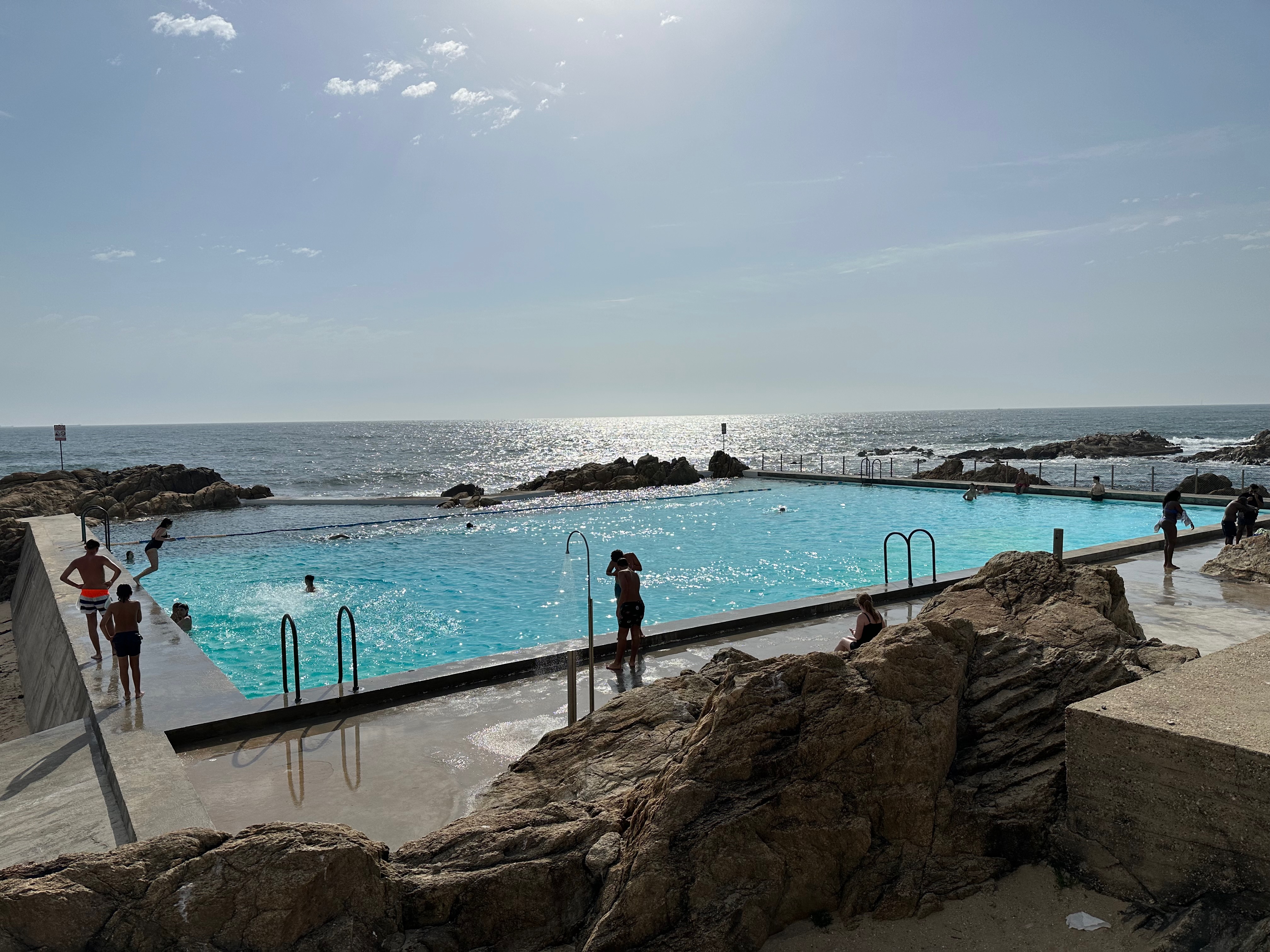
포르투갈 이베리아반도 여행 중 찾은 레사 조수 풀장은, 알바루 시자가 설계한 대표작이자 오랫동안 하지 못했던 바다 수영과 건축 답사를 동시에 충족시켜 준 장소였다. 포르투 북서쪽 마투지뉴스의 레사 다 팔메이라 해변에 자리한 이 공간은 단순한 관광지가 아니라, 자연 지형과 건축적 동선이 정교하게 결합된 살아 있는 건축 경험으로 다가왔다.
이 프로젝트는 1960년 시민들을 위한 안전한 해수 수영장을 조성하려는 공공 프로젝트에서 출발했고, 시자는 해변의 기존 조건을 최대한 존중하며 도로에서 바다를 가리지 않는 단층 건축과 점진적인 접근 동선을 설계했다. 경사로를 따라 내려가 콘크리트 벽 사이를 지나 수영장에 도달하는 경험은, 건축을 한 번에 보여주기보다 천천히 감각하게 하는 건축적 산책의 방식 그 자체다.
1966년 첫 개장 이후 레사 조수 풀장은 약 60년 동안 보수와 확장을 거듭해 왔고, 최근 보수에서도 시자는 시간의 흔적을 지우지 않고 남기는 방식을 택했다. 패치를 감추지 않는 태도는 소재의 진실성이라는 그의 건축 철학을 보여준다. 이곳은 건축이 고정된 완성품이 아니라 시간과 환경, 사용자의 삶 속에서 계속 쓰이고 다시 완성되어 가는 과정임을 조용히 증명한다.
During my travels through Portugal, the Leça Tidal Pool became one of those rare places where architectural curiosity and bodily desire aligned. Designed by Álvaro Siza and located in Leça da Palmeira near Matosinhos, it offered not only the chance to revisit sea swimming after a long time, but also to encounter a work of architecture through direct use rather than distant admiration.
The project began in 1960 as a public effort to provide citizens with a safe place for seawater bathing. Siza responded not by overpowering the shoreline, but by working with its existing terrain, shaping a low, elongated structure that preserves the sea view from the road while drawing visitors gradually downward through ramps and concrete walls. The sequence is less about arrival than unfolding, an architectural promenade in which space is understood step by step.
Since opening in 1966, Piscina das Marés has been repaired, adapted, and sustained across roughly sixty years. In the most recent restoration, Siza chose local repair over total replacement, allowing the patched concrete to remain visible. That decision reflects his long-standing commitment to material honesty. What the tidal pool makes clear is that architecture does not stop once it is built. It continues through maintenance, weathering, use, and time.
Credit
Text, Photo. 최성우 Sungwoo Choi
Edit. 김태진 Taejin Kim