
Brique / Iberian Wanderings 05
미술관 곁에는 늘 정원이 있었다 There Was Always a Garden Beside the Museum
Series Note
이베리아반도 유랑기 Record of Wanderings in the Iberian Peninsula
오래전부터 막연히 가보고 싶었던 포르투와 알함브라. 두 도시를 지도에 핀으로 찍고 출발한 여행, 단 하나의 숙소만 예약한 채 아무런 정보 없이 길을 떠났다. 그래서 어쩌면 여행보다 ‘유랑’에 가깝다. 이 글은 대서양 해안을 따라 남쪽으로, 다시 지중해를 따라 동쪽으로 나아가며 포르투갈과 스페인, 그리고 남프랑스의 25개 도시와 지역을 64일 동안 거닐며 기록한 유랑일지다.
This series begins with two cities I had long dreamed of visiting, Porto and the Alhambra. I set out with little more than two pins on a map and a single hotel booking, carrying almost no information and no fixed itinerary. Perhaps that is why this journey feels closer to wandering than to travel. What follows is a journal of 64 days spent moving south along the Atlantic coast and then east along the Mediterranean, across 25 cities and regions in Portugal, Spain, and the south of France.
요약 Summary
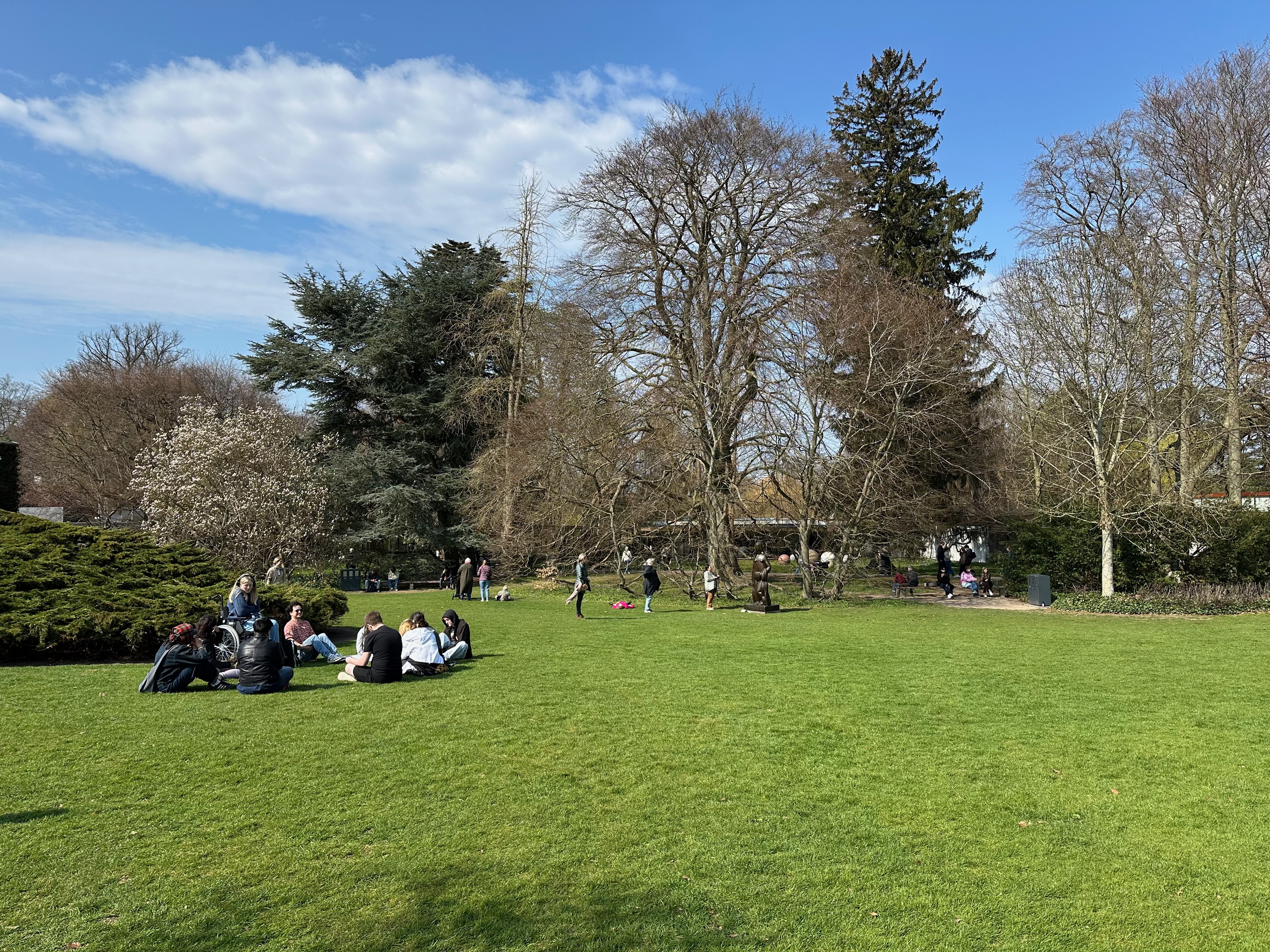
리스본의 굴벤키안 미술관 정원 벤치에 앉아 사람들을 바라보던 순간, 한 가지 질문이 떠올랐다. 미술관 곁에는 언제부터, 왜 정원이 있었을까. 이 글은 그 물음에서 출발해, 미술관과 정원이 어떻게 서로의 일부가 되었는지, 그리고 왜 오늘날 그 관계가 더 중요해졌는지를 살핀다.
미술관은 르네상스 시대 귀족의 사적 수집 공간에서 출발했지만, 공공 기관으로 자리 잡는 과정에서 궁전과 함께 딸린 정원도 자연스럽게 이어받았다. 이후 조각공원과 야외 전시 프로그램의 확장 속에서 정원은 더 이상 부속물이 아니라, 관람 경험을 완성하는 하나의 장치가 되었다. 루이지애나 미술관이나 킴벨 미술관처럼, 세계 여러 미술관에서 정원은 이미 핵심 요소로 자리 잡았다.
이베리아반도 유랑 중 방문한 세할브스, 굴벤키안, 파울라 헤구 미술관은 그 흐름을 생생하게 보여준다. 광대한 공원 속으로 스며드는 건축, 도심 속 시민의 일상 쉼터가 된 정원, 숲을 보존하며 그 사이에 놓인 미술관은 모두 같은 사실을 드러낸다. 자연은 미술관 바깥을 둘러싼 배경이 아니라, 미술관 안에서 예술과 삶을 연결하는 핵심 요소라는 점이다. 전시실에서 시작된 관람은 정원에 이르러 비로소 완성된다.
Sitting on a bench in the garden of the Gulbenkian Museum in Lisbon, watching people spend time on the grass in their own ways, I found myself asking a question I had never framed so clearly before: when did gardens begin to stand beside museums, and why?
Museums began as private aristocratic collections, but as they evolved into public institutions, they often inherited the gardens of the palaces that housed them. Over time, especially with the emergence of sculpture gardens and outdoor exhibition programs, the garden ceased to be a secondary amenity and became part of the curatorial experience itself. Institutions around the world have since shown that the museum garden is not optional. It is one of the forms through which art opens itself to life.
The three Portuguese museums I visited, Serralves, Gulbenkian, and the Paula Rego Museum, made that especially clear. In each case, architecture and landscape do not sit side by side so much as interweave. The garden releases the tension of viewing, extends the exhibition into open air, and anchors the museum within a broader civic ecology. What these places ultimately suggest is simple but profound: the journey through a museum is not complete until you step outside.
Credit
Text, Photo. 최성우 Sungwoo Choi
Edit. 김태진 Taejin Kim