
Brique / Iberian Wanderings 01
포르투, 무엇으로부터 매력을 느꼈는가
Porto: Where Atmosphere Becomes a Place
Series Note
이베리아반도 유랑기 Record of Wanderings in the Iberian Peninsula
오래전부터 막연히 가보고 싶었던 포르투와 알함브라. 두 도시를 지도에 핀으로 찍고 출발한 여행, 단 하나의 숙소만 예약한 채 아무런 정보 없이 길을 떠났다. 그래서 어쩌면 여행보다 ‘유랑’에 가깝다. 이 글은 대서양 해안을 따라 남쪽으로, 다시 지중해를 따라 동쪽으로 나아가며 포르투갈과 스페인, 그리고 남프랑스의 25개 도시와 지역을 64일 동안 거닐며 기록한 유랑일지다.
This series begins with two cities I had long dreamed of visiting, Porto and the Alhambra. I set out with little more than two pins on a map and a single hotel booking, carrying almost no information and no fixed itinerary. Perhaps that is why this journey feels closer to wandering than to travel. What follows is a journal of 64 days spent moving south along the Atlantic coast and then east along the Mediterranean, across 25 cities and regions in Portugal, Spain, and the south of France.
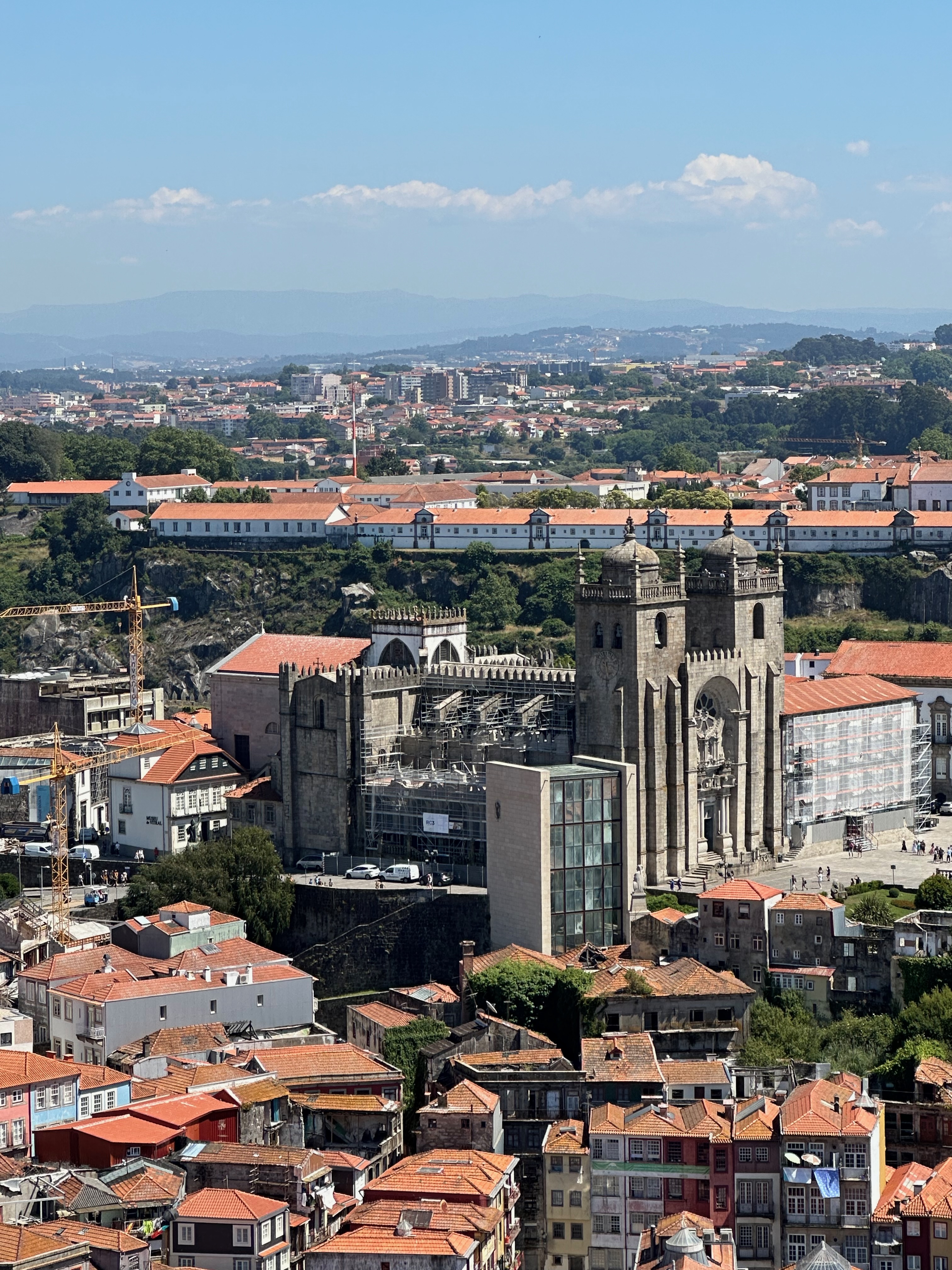
요약 Summary
10여 년간 품어온 바람을 이루어 포르투를 이베리아반도 유랑의 첫 도시로 찾았다. 2024년 6월 약 2주 동안 도우루 강변의 구도심을 중심으로 골목과 광장, 해변과 공연장을 두 발로 누비며 도시의 구조를 몸으로 익혔다. 첫날부터 3만 보를 걷는 방식은 여행을 관광이 아니라 생활의 감각으로 받아들이기 위한 나만의 방법이었다.
이 글이 주목하는 것은 유명 관광 명소의 목록이 아니라, 포르투라는 도시가 실제로 살아 움직이는 방식이다. 상 벤투 기차역, 알바로 시자의 조수 수영장, 렘 쿨하스의 카사 다 뮤지카 같은 건축물은 그 자체로 인상적이지만, 무엇보다 여전히 시민의 일상 속에서 활발하게 사용된다는 점에서 더 깊은 울림을 준다. 와이너리 투어와 파두 공연, 금요일 밤 루이스 1세 다리 아래의 댄스파티, 대성당 미사까지 모두 생활자의 시선으로 도시를 경험하는 장면들이다.
결국 포르투의 매력은 경관이나 건축만으로 설명되지 않는다. 페테르 춤토르가 말한 '분위기'처럼, 이 도시에는 말로 완전히 붙잡기 어려운 고유한 결이 있다. 늦은 밤까지 가족과 거리를 걷는 사람들의 태도, 강과 바다와 언덕, 오래된 도심이 한데 섞인 풍경, 그리고 크리에이터들이 모이는 작업 공간과 카페가 그 분위기를 만든다. 여러 도시를 돌아본 뒤에도 가장 좋았던 도시를 묻는 질문에 언제나 포르투라고 답하게 되는 이유가 바로 여기에 있다.
After more than a decade of wanting to go, I finally began my Iberian wandering in Porto. For about two weeks in June 2024, I walked the alleys, plazas, beaches, and concert halls within reach of the old city along the Douro River, learning the structure of the city through my body. Walking more than 30,000 steps on the first day was less a challenge than a way of entering the city as if I were living in it, not merely visiting it.
What this piece pays attention to is not a checklist of attractions, but the way Porto continues to breathe in everyday life. São Bento Station, Álvaro Siza's tidal pool, and Rem Koolhaas's Casa da Música are each compelling works of architecture, yet what resonated more deeply was that all of them remain actively used by local people. Winery tours, fado performances, late-night dancing under the Luís I Bridge on Fridays, and even attending mass at the cathedral all became ways of experiencing the city from the perspective of someone trying to inhabit it.
Porto's appeal ultimately cannot be explained by scenery or architecture alone. Like what Peter Zumthor calls atmosphere, the city holds a texture that resists complete translation into words. It is shaped by families lingering outdoors late into the night, by the meeting of river, sea, hills, and historic fabric, and by workspaces and cafes where creative people gather and connect with ease. Even after wandering through many other cities, Porto remains the place I return to first in memory whenever someone asks which city stayed with me most.
Credit
Writer, Photo. 최성우 Sungwoo Choi
Edit. 김태진 Taejin Kim